Let your dog sniff!
Published in Cats & Dogs News
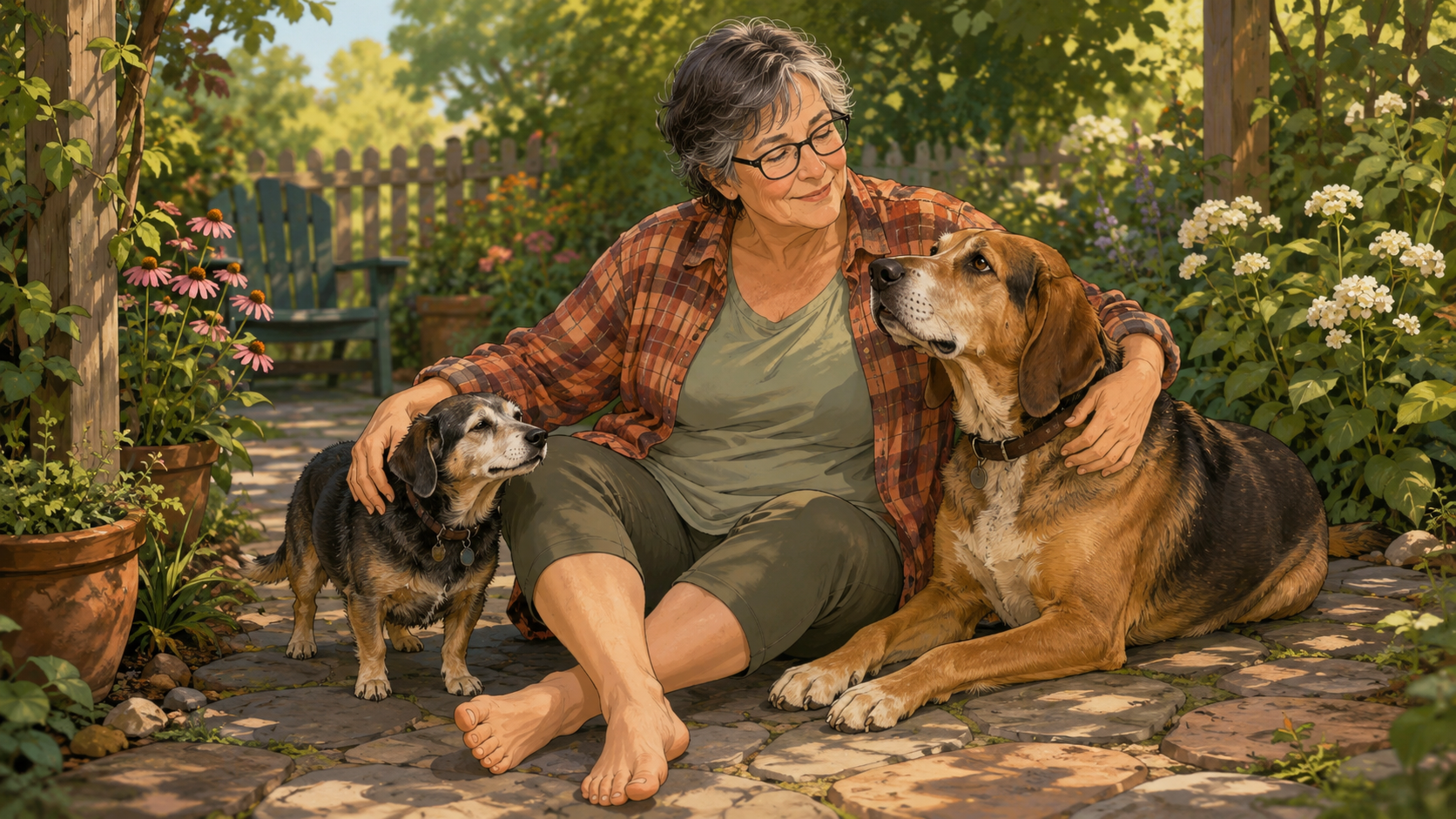
Dogs do not experience a walk the way people do. For us, the point may be exercise, a bit of fresh air and a chance to get around the block before dinner. For a dog, the walk is also a newspaper, a social network, a neighborhood bulletin board and a mystery novel written in scent.
That is why one of the simplest ways to make your dog happier is also one of the easiest to overlook: Let your dog sniff.
Sniffing is not a distraction from the walk. For many dogs, it is the walk.
Sniffing is how dogs read the world
A dog’s nose is not just better than ours. It is operating on a different level. Dogs gather enormous amounts of information through scent: who has passed by, whether another animal was excited or stressed, what food or wildlife may be nearby and how the environment has changed since yesterday.
When a dog pauses at a tree, mailbox, fence post or patch of grass, that dog is not merely dawdling. He is investigating. He is thinking. He is collecting information that matters to him.
Humans tend to value forward motion. Dogs often value scent detail. A walk that feels slow to us may feel rich and satisfying to them.
Sniffing provides mental exercise
Physical exercise matters, of course. Dogs need to move their bodies. But mental exercise is just as important, especially for older dogs, anxious dogs, high-energy dogs and dogs recovering from injury or illness.
A 20-minute “sniffari,” where the dog sets a slower pace and explores safe smells, may leave some dogs calmer and more content than a brisk 20-minute march. That is because sniffing requires concentration. It engages the brain. It lets the dog make choices.
Many behavior problems are made worse by boredom. A dog who never gets to investigate the world may become restless, frustrated or overstimulated at home. Letting your dog sniff is a low-cost enrichment activity, available almost anywhere.
Choice matters
Dogs spend much of their lives following human rules. We decide when they eat, where they sleep, when they go outside and how far they may roam. Walks are one of the few daily routines where dogs can be given meaningful choices without turning the household upside down.
That does not mean letting a dog drag you into traffic, eat garbage or harass wildlife. It means giving him safe options. He can choose which side of the sidewalk to explore. He can pause at the interesting bush. He can spend an extra minute working out the scent story near the fence.
For confident dogs, choice is fun. For nervous dogs, choice can be empowering. For older dogs, choice helps preserve dignity when speed and stamina begin to fade.
Sniffing can reduce stress
Sniffing is naturally calming for many dogs. It gives them something constructive to do with their attention. Instead of scanning for threats, lunging at triggers or building nervous energy, a dog may settle into investigation mode.
This is especially helpful for dogs who are reactive, easily startled or overwhelmed by busy environments. Sniffing can act like a pressure valve. It allows a dog to disengage from stress and return to a task he understands.
If your dog struggles around other dogs, bicycles, children or loud vehicles, sniffing should not be treated as wasted time. It may be one of your best tools for helping him stay regulated.
Not every walk has to be a workout
There is room for different kinds of walks. Some can be brisk exercise walks. Some can be training walks. Some can be short potty breaks. And some can be sniff walks, where the goal is not distance but satisfaction.
A good sniff walk may look inefficient. You might cover only a few blocks. You might stand still while your dog studies one patch of grass as if it contains the secrets of the universe. That is fine. The value is not in the mileage.
For young, athletic dogs, sniffing can be mixed into longer exercise. For senior dogs, sniffing may become the main event. A dog who cannot comfortably walk far may still enjoy slow exploration near home.
Use a longer leash when safe
A standard 4- to 6-foot leash works well in many situations, especially near streets or in crowded areas. But in safe open spaces, a longer leash can give a dog more room to investigate without pulling.
A 10- to 15-foot leash can be useful in quiet parks, fields or large yards. It allows the dog to wander from smell to smell while you remain connected and in control. Avoid retractable leashes in busy areas, near traffic or around unfamiliar dogs, since they can be hard to manage quickly.
The goal is not chaos. The goal is controlled freedom.
Teach polite sniffing
Letting your dog sniff does not mean abandoning manners. Dogs can learn that sniffing is allowed, but pulling like a sled dog is not.
Try using a cue such as “go sniff” when you are ready to let your dog explore. When it is time to move on, use a cheerful cue like “let’s go.” Reward your dog when he turns with you. Over time, he learns that sniffing has a beginning and an end, and that moving on does not mean the fun is over forever.
This is especially useful for strong dogs, enthusiastic dogs or dogs who become fixated on one spot.
Know when to interrupt
Some smells are not safe to investigate. Move your dog along if he is sniffing broken glass, unknown food, dead animals, chemicals, feces, mushrooms or anything that may be dangerous. Be especially cautious in areas treated with pesticides, road salt or lawn chemicals.
Also interrupt if your dog is about to invade another dog’s space, dig destructively or become too excited to listen. Sniffing should be enriching, not unsafe.
A calm “let’s go” and a reward can keep the walk pleasant without turning every interruption into a battle.
Let the walk belong to the dog
People often think of dog walks as chores, exercise routines or obligations. Dogs may see them as the highlight of the day. The smells outside the house are not background noise to them. They are information, novelty and entertainment.
Letting your dog sniff is a small act of generosity. It costs nothing. It requires no special equipment. It works for puppies, adult dogs and seniors. It can help with boredom, stress and frustration. Most of all, it respects the way dogs actually experience the world.
So the next time your dog stops to inspect a tree, take a breath. Look around. Let him read. The walk may take a little longer, but it will mean a lot more to him.
========
Mariel Sutton writes about pets, home life and practical everyday routines. She lives with two opinionated dogs and believes the best walks are the ones where nobody is in a hurry. This article was written, in part, utilizing AI tools.








Comments